Hypertension: Why High Blood Pressure Should Not Be Ignored
By Dr Toyin Faboya | Jan. 24, 2026, 8:09 a.m. | Category: Health Awareness
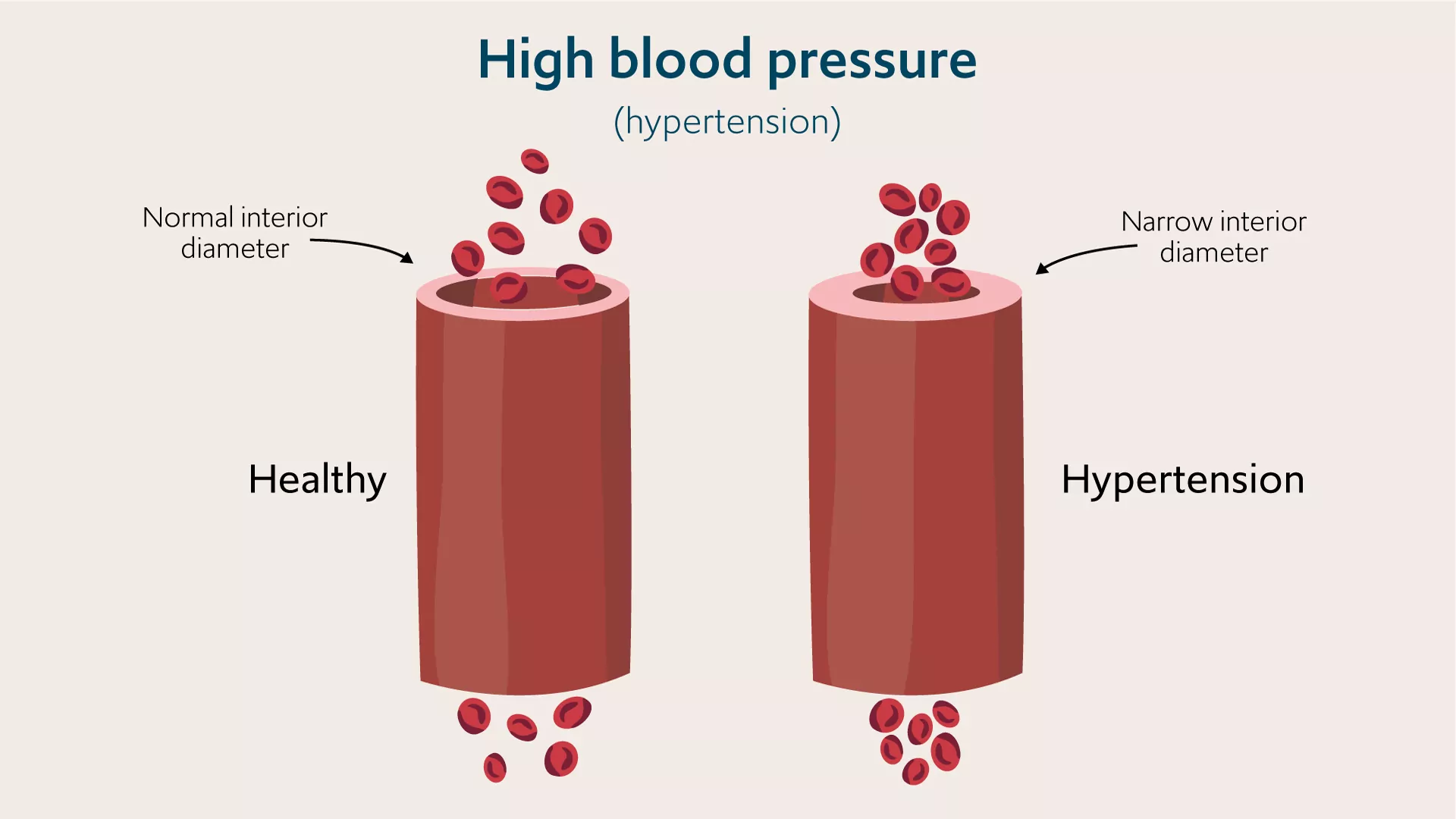
Hypertension, also known as high blood pressure, is a common but serious health condition that affects millions of people worldwide. It occurs when the force of blood pushing against the walls of the arteries remains consistently higher than normal. Because hypertension often develops without noticeable symptoms, many individuals may live with it for years without realizing they are affected.
A healthy blood pressure reading is typically around 120/80 mmHg. When blood pressure readings consistently reach 140/90 mmHg or higher, it is considered hypertension. Over time, uncontrolled high blood pressure can place excessive strain on the heart and blood vessels, increasing the risk of life-threatening conditions such as heart disease, stroke, kidney failure, and vision impairment.
Several factors can contribute to the development of hypertension. These include poor dietary habits—especially high salt consumption—lack of physical activity, chronic stress, smoking, excessive alcohol intake, advancing age, and a family history of high blood pressure. In some cases, hypertension may also be linked to underlying medical conditions, making regular medical evaluations even more important.
One of the greatest dangers of hypertension is that it often shows no clear warning signs. While some people may experience headaches, dizziness, or fatigue when blood pressure becomes very high, many experience no symptoms at all. This is why regular blood pressure monitoring is essential, even for individuals who feel healthy.
Managing hypertension involves a combination of healthy lifestyle choices and medical care. Eating a balanced diet, staying physically active, managing stress, avoiding tobacco, limiting alcohol intake, and attending routine health checkups can significantly help control blood pressure. When necessary, healthcare providers may also recommend medication to reduce the risk of complications.
Early detection and proper management of hypertension can greatly improve quality of life and prevent long-term health problems. At WHEI, we emphasize the importance of regular health screenings, patient education, and proactive care to support healthier individuals and stronger communities.