Understanding the Importance of Vaccination
By Dr Toyin Faboya | Feb. 17, 2026, 6:57 a.m. | Category: Health Awareness
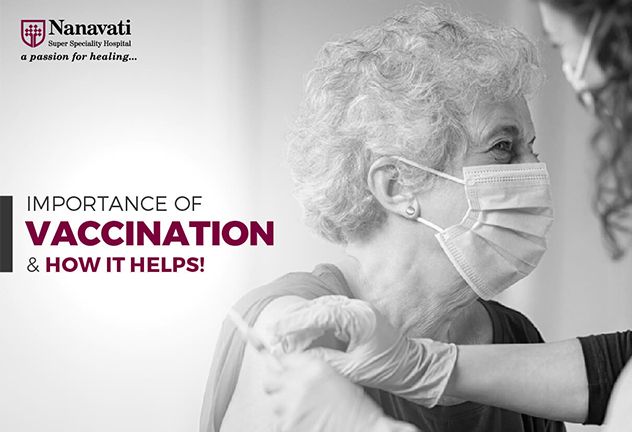
Vaccination is one of the most effective public health measures for preventing infectious diseases. Vaccines work by stimulating the body’s immune system to recognize and fight specific infections without causing the illness itself. Through immunization, individuals develop protection that reduces the risk of severe disease and complications.
Vaccines have played a major role in reducing the spread of diseases such as measles, polio, tetanus, hepatitis, and influenza. By building immunity within individuals and communities, vaccination helps protect vulnerable populations, including infants, elderly individuals, and those with weakened immune systems.
Immunization is important at every stage of life. Childhood vaccines protect against serious illnesses during early development, while adult vaccinations help maintain immunity over time. Certain vaccines are also recommended for pregnant women, healthcare workers, and individuals with chronic medical conditions.
Vaccines are carefully tested for safety and effectiveness before approval. Mild side effects such as soreness at the injection site or low-grade fever may occur, but serious reactions are rare. The benefits of vaccination far outweigh the potential risks, particularly when it comes to preventing life-threatening diseases.
Staying up to date with recommended vaccines not only protects individual health but also strengthens community protection through herd immunity. When a large portion of the population is vaccinated, the spread of infectious diseases is significantly reduced.
At WHEI, we encourage individuals and families to follow recommended immunization schedules and consult healthcare professionals for guidance on vaccines appropriate for their age and health status.