Understanding Stress and Its Impact on Your Health
By Dr Toyin Faboya | Feb. 17, 2026, 6:52 a.m. | Category: Health Awareness
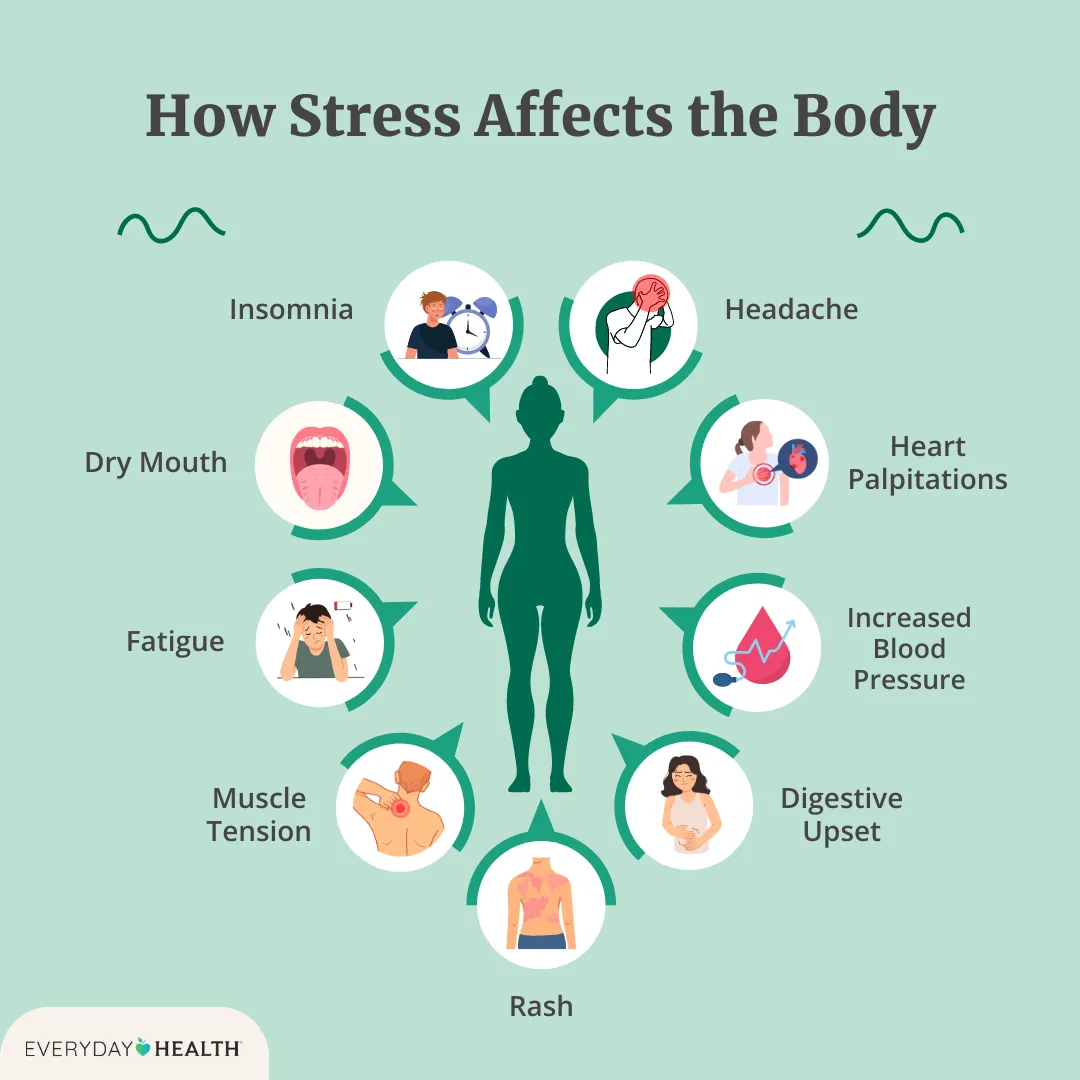
Stress is a natural response to challenging or demanding situations. While short-term stress can sometimes help individuals stay alert and focused, prolonged or unmanaged stress can negatively affect both physical and mental health.
When a person experiences stress, the body releases hormones such as cortisol and adrenaline. These hormones prepare the body to respond quickly to perceived threats. However, if stress continues for long periods, it can place strain on the heart, weaken the immune system, and disrupt normal body functions.
Chronic stress has been linked to conditions such as high blood pressure, heart disease, digestive problems, sleep disturbances, anxiety, and depression. It can also affect concentration, mood, and overall productivity. Physical symptoms of stress may include headaches, muscle tension, fatigue, and changes in appetite.
Managing stress is essential for maintaining overall well-being. Simple strategies such as regular physical activity, adequate sleep, balanced nutrition, and relaxation techniques can help reduce stress levels. Talking to trusted individuals or healthcare professionals can also provide support during difficult periods.
Taking small, consistent steps to manage stress can improve quality of life and prevent long-term health complications. At WHEI, we encourage individuals to prioritize both physical and mental health as part of comprehensive healthcare and preventive wellness.