The Importance of Good Hand Hygiene in Preventing Illness
By Dr Toyin Faboya | Feb. 7, 2026, 12:20 a.m. | Category: Health Awareness
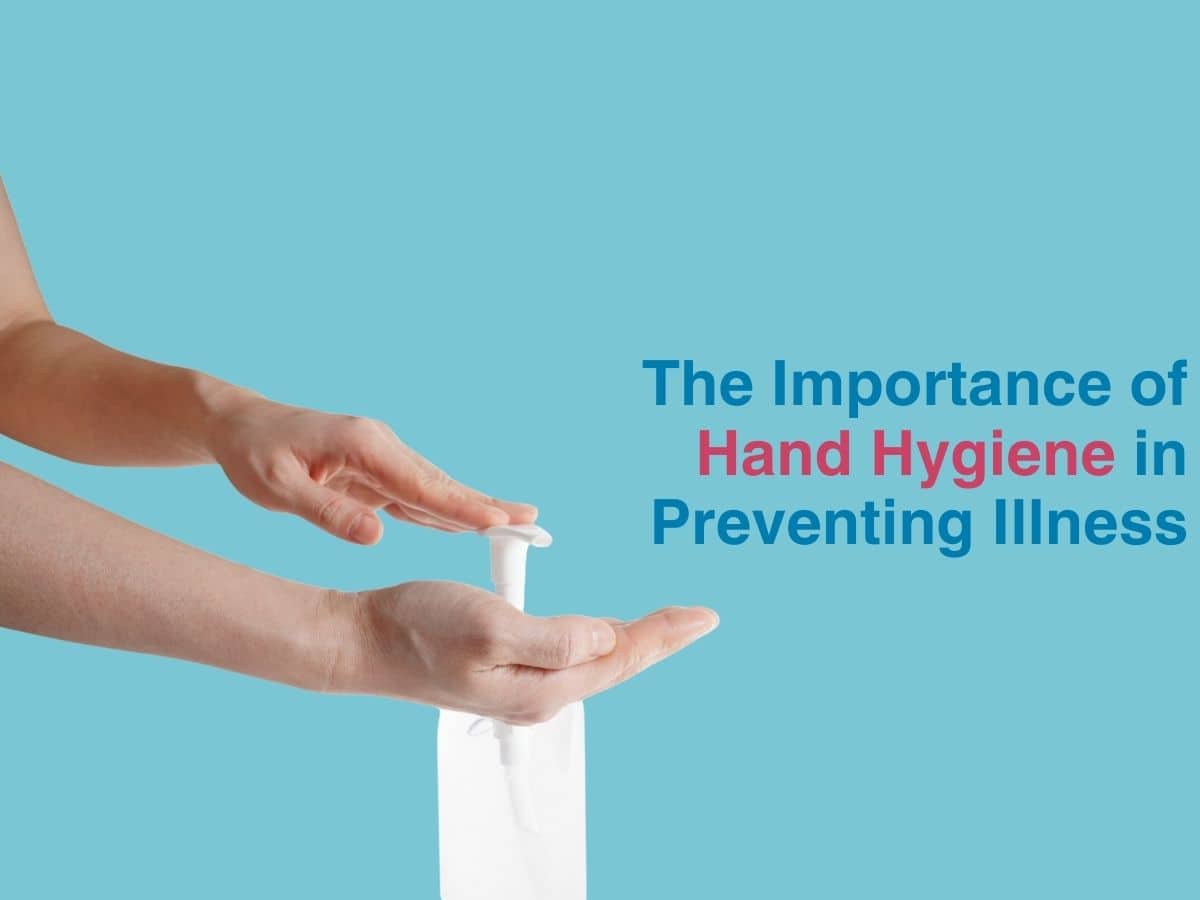
Good hand hygiene is one of the simplest and most effective ways to prevent the spread of infections. Hands come into contact with many surfaces throughout the day, making them a common route for germs to enter the body. Proper handwashing significantly reduces the risk of illnesses caused by bacteria and viruses.
Regular handwashing helps prevent common infections such as colds, flu, diarrhea, and other contagious diseases. Health experts recommend washing hands with clean water and soap for at least 20 seconds, especially before eating, after using the restroom, after coughing or sneezing, and after touching frequently used surfaces.
When soap and water are not available, alcohol-based hand sanitizers can help reduce germs on the hands. However, hand sanitizers should not fully replace handwashing, particularly when hands are visibly dirty. Washing with soap and water remains the most effective method.
Good hand hygiene is especially important in healthcare settings, schools, workplaces, and public spaces where infections can spread quickly. Teaching children proper handwashing habits from an early age also plays a key role in reducing illness and promoting lifelong healthy behavior.
Maintaining clean hands is a small daily habit that has a powerful impact on personal and public health. At WHEI, we promote proper hygiene practices as a key part of infection prevention and overall community well-being.